
Creating a home that feels inviting doesn’t require a complete renovation or an unlimited decorating budget. Thoughtful choices involving lighting, textures, storage, outdoor living areas, and room layouts can make a noticeable difference in how a property looks and functions. Even small updates can help transform an ordinary space into one that supports daily routines and provides a comfortable place to unwind.
Whether you’re settling into a new property or refreshing a familiar space, understanding how design influences comfort can help you make choices that last. In this article, we’ll explore design features that make a house feel more like home, from personal decorative touches to practical improvements that support a welcoming atmosphere.
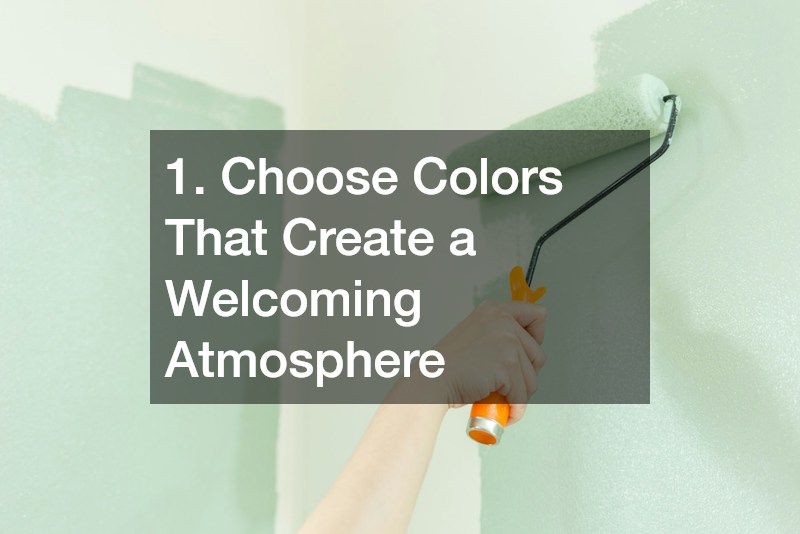
1. Choose Colors That Create a Welcoming Atmosphere
Color has a significant influence on the mood of a room. The shades used on walls, ceilings, furniture, and decorative accents can make spaces feel calm, energetic, cozy, or open. Choosing a palette that reflects your preferences is one of the simplest ways to establish a consistent atmosphere throughout your home.
Warm Neutrals Encourage Relaxation
Cream, beige, warm gray, and soft brown create versatile foundations for comfortable interiors. These colors work well in living rooms, bedrooms, and shared spaces because they provide visual warmth without overwhelming the room. They also pair easily with natural materials, including wood, stone, linen, and woven textiles.
A neutral palette doesn’t have to feel plain. Combining several shades and finishes adds dimension while maintaining a cohesive appearance. For example, cream walls, a caramel-colored sofa, and natural wood furniture can create a comfortable living room that feels thoughtfully designed.
Personal Accents Add Character
Accent colors allow homeowners to express their personalities without committing to a bold design throughout the entire house. Deep green cushions, terracotta pottery, blue artwork, or colorful lamps can introduce visual interest while complementing a neutral background.
Consider selecting a few colors that appear in different rooms. Repeating certain shades in artwork, rugs, or accessories creates continuity without making every space look identical. The goal is to develop a palette that feels connected while allowing each room to maintain its own character.
2. Make Lighting Part of the Design
Lighting affects how a room looks, how people use it, and how comfortable it feels at different times of day. A well-lit home combines natural daylight with several types of artificial lighting to accommodate everything from morning routines to quiet evenings.
Maximize Natural Light
Natural light can make interiors feel brighter, more open, and more inviting. Keeping windows unobstructed, using lighter wall colors, and positioning mirrors to reflect daylight can help rooms feel spacious.
Window coverings also influence how much light enters a room and how private it feels. Professional window treatment services can help homeowners select curtains, blinds, or shades that complement the interior design while addressing practical needs such as glare control and privacy.
The right window treatments can soften a room’s appearance, introduce color or texture, and make it easier to adjust the atmosphere throughout the day.
Combine Different Lighting Sources
Instead of relying on a single overhead fixture, incorporate ambient, task, and accent lighting. Ambient lighting provides general illumination, task lighting supports activities such as reading or cooking, and accent lighting draws attention to artwork or architectural details.
Table lamps, floor lamps, wall sconces, and under-cabinet fixtures offer flexibility. Warm-toned bulbs can make living rooms and bedrooms feel especially relaxing, while brighter task lighting is useful in kitchens, offices, and work areas.
Dimmers are another worthwhile feature because they allow lighting levels to change with the activity. A dining room can feel bright during a family meal and more intimate during a quiet evening.
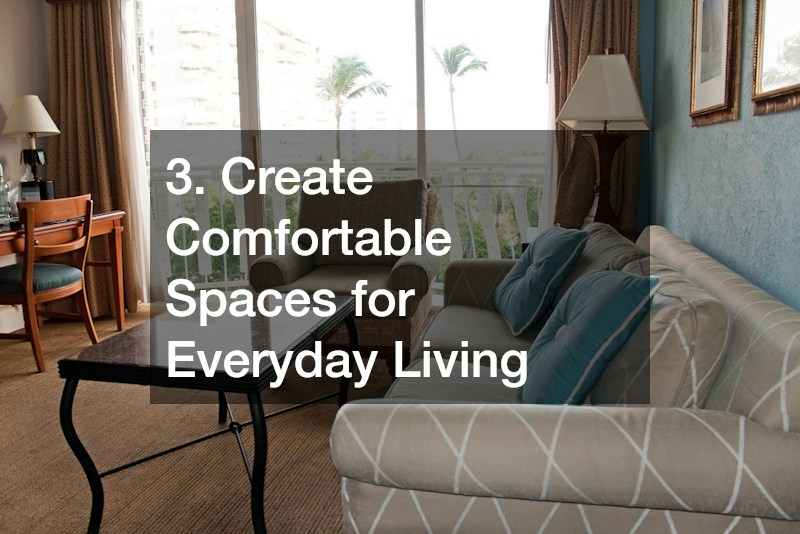
3. Create Comfortable Spaces for Everyday Living
A home should support the way its occupants actually live. Beautiful furniture and carefully selected accessories matter, but comfort depends just as much on how rooms are arranged and whether they accommodate daily activities.
Arrange Furniture Around How People Gather
Furniture placement influences conversation, movement, and the overall feeling of a room. In a living room, positioning sofas and chairs to face one another can encourage interaction. A coffee table within easy reach and a soft rug beneath the seating area can make the arrangement feel complete.
Avoid filling every available space with furniture. Clear walking paths help rooms feel less crowded and make it easier for people to move around comfortably.
In open-concept homes, furniture can also define separate areas without requiring walls. A sofa might distinguish the living room from the dining area, while a rug helps establish a dedicated reading corner.
Design for Different Activities
Consider how each room serves your household. A dining area might double as a homework station, a spare bedroom could accommodate occasional guests and hobbies, and a living room might need room for both movie nights and quiet reading.
Flexible furniture can make these spaces more useful. Storage ottomans, extendable dining tables, nesting tables, and sleeper sofas offer practical solutions when needs change.
The most successful layouts balance appearance with function. When rooms accommodate everyday routines naturally, the entire house becomes easier to enjoy.
4. Add Texture for Warmth and Visual Interest
Texture helps interiors feel layered and inviting. Even a room with a simple color palette can develop a rich appearance when different materials and finishes work together.
Mix Soft and Natural Materials
Soft furnishings introduce comfort while balancing harder surfaces such as tile, glass, and wood. Wool rugs, cotton bedding, linen curtains, knitted throws, and upholstered furniture can make rooms feel more relaxed.
Natural materials add another dimension. Wooden furniture, woven baskets, stone accessories, and ceramic decorations bring subtle variation to a space. Their different grains, shapes, and finishes keep the design from feeling overly uniform.
For example, a bedroom with crisp bedding can feel more welcoming with a textured blanket, a fabric headboard, and a small wooden bedside table. These details create depth without requiring elaborate decorations.
Use Rugs and Curtains to Define Spaces
Rugs can make seating areas feel more connected and help distinguish different functions within an open floor plan. Choosing the correct size is important: a rug that accommodates the front legs of the main seating pieces often creates a more cohesive arrangement than a very small rug placed in the center.
Curtains also contribute softness and visual height. Hanging them above the window frame and allowing them to extend toward the floor can make a room feel taller, depending on the proportions of the space.
Combining these elements with comfortable furniture creates interiors that feel finished without appearing overly formal.
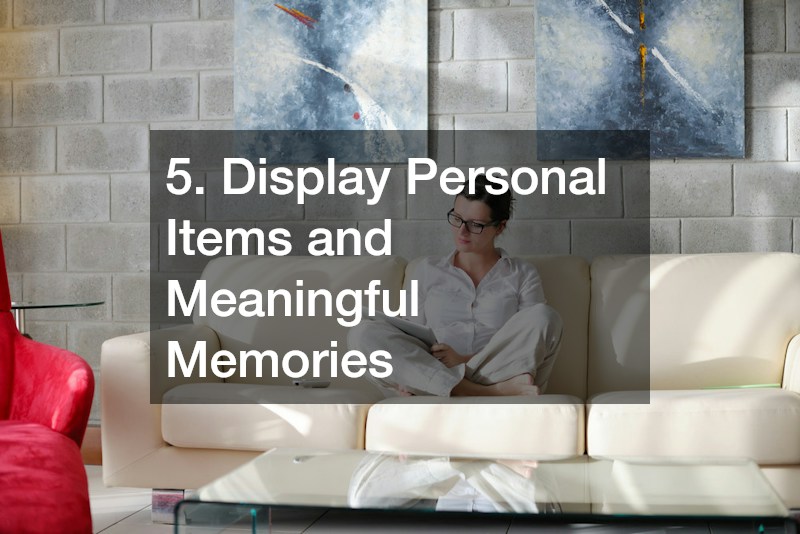
5. Display Personal Items and Meaningful Memories
A welcoming home reflects the people who live in it. Personal belongings tell stories, preserve memories, and create a sense of identity that cannot be replicated through a generic decorating scheme.
Showcase Photographs and Artwork
Family photographs, travel pictures, original artwork, and framed prints can make rooms feel more personal. A gallery wall is one way to display several pieces together, while a single large artwork can serve as a focal point in a smaller room.
For a coordinated appearance, use frames in complementary finishes or repeat colors found elsewhere in the space. However, the artwork itself doesn’t need to match every decorative element. Meaningful pieces often become more interesting when they introduce a different style or color.
Placement matters, too. Hang artwork at a comfortable viewing height and allow enough space around each piece so the display doesn’t feel crowded.
Incorporate Objects With Personal Meaning
Souvenirs, inherited furniture, handmade ceramics, favorite books, and collections can contribute character when displayed thoughtfully. Instead of scattering every meaningful item throughout the house, group selected pieces on shelves, consoles, or display cabinets.
Rotating decorations seasonally is another way to keep a space fresh while making room for new memories. This approach also prevents surfaces from becoming overwhelmed with objects.
Personalization doesn’t require a particular decorating style. A minimalist interior can feel deeply personal through a few carefully chosen objects, while a more eclectic home can embrace a wider variety of colors, patterns, and collections.
6. Make Storage Part of the Overall Design
Clutter can make even an attractive room feel stressful or difficult to use. Effective storage helps maintain a comfortable environment by giving everyday belongings a designated place without sacrificing the character of the interior.
Choose Storage That Fits the Room
Built-in cabinets, floating shelves, storage benches, and furniture with concealed compartments can make better use of available space. In entryways, a bench with shoe storage provides a practical place to sit while keeping footwear organized. In living rooms, closed cabinets can conceal electronics, games, and miscellaneous household items.
Open shelving is useful for displaying books and decorative objects, but it works best when the contents are arranged intentionally. Combining open shelves with closed storage offers a balance between display and practicality.
Establish Simple Organization Systems
Consistent storage habits make a home easier to maintain. Baskets near frequently used areas, drawer dividers, labeled containers, and dedicated drop zones can prevent everyday belongings from spreading across countertops and furniture.
Professional home organizing services may also help homeowners develop storage systems that suit their routines and available space. The objective isn’t to eliminate every visible possession but to create an environment where belongings remain accessible without dominating the room.
When storage supports everyday habits, maintaining a comfortable home becomes less demanding.

7. Design Outdoor Areas as Extensions of the Home
Outdoor spaces can provide additional room for relaxation, entertaining, and spending time together. A porch, patio, garden, or poolside area can become a natural extension of the interior when its design complements the home’s overall style.
Create Comfortable Outdoor Seating
Comfortable chairs, weather-resistant cushions, outdoor rugs, and shaded seating can make exterior areas more inviting. Arrange furniture around a focal point, such as a fire feature, garden view, or outdoor dining table, while leaving sufficient room for movement.
Lighting also helps establish a welcoming atmosphere. Wall-mounted fixtures, pathway lights, and appropriately rated outdoor string lights can make outdoor areas more functional after sunset.
Choose materials suited to the local climate and the amount of maintenance you’re willing to handle. Durable furnishings and easy-to-clean surfaces help outdoor spaces remain enjoyable over time.
Give Patios and Pool Areas a Finished Appearance
The condition of hard surfaces influences the overall appearance of outdoor living areas. Depending on the existing material and its condition, pool patio resurfacing can refresh the appearance of a poolside space and help it coordinate with surrounding landscaping and furnishings.
Likewise, a well-planned driveway, walkway, or front entrance contributes to the home’s first impression. Experienced paving contractors can help create exterior surfaces that complement the architecture and accommodate everyday use.
For households that enjoy swimming and outdoor entertaining, working with a custom pool contractor can help align pool design with the available space, desired features, and overall landscape plan. Thoughtful coordination between the pool, patio, seating, and planting areas creates a more unified outdoor environment.
8. Pay Attention to Entrances and Transitions
The entrance establishes the first impression of a home. It also serves as the transition between the outside world and the private spaces within. A well-designed entryway can make arriving home feel more comfortable while improving the functionality of a frequently used area.
Make the Entryway Practical and Inviting
A welcoming entrance might include a console table, a mirror, a small lamp, and a place to store shoes or bags. In a compact entryway, wall hooks and narrow furniture can provide useful storage without obstructing the walking path.
A doormat, a healthy potted plant, or a seasonal wreath can add personality without requiring much space. Keep the arrangement proportionate to the entrance so the area remains easy to navigate.
Moving into a new house is an opportunity to create a space that reflects your personality and lifestyle. A long distance mover can help transport furniture, household belongings, and meaningful personal items to your new home, making it easier to focus on arranging rooms and establishing comfortable daily routines. Once everything arrives, thoughtful furniture placement and familiar decorations can help the new space feel like home.
Improve Movement Between Levels
In multilevel homes, stairs and transitions between floors influence both appearance and everyday usability. Attractive residential railing installations can complement the architectural style while providing an important safety feature.
Railing materials, finishes, and profiles should work with the surrounding flooring, walls, and trim. Wood can introduce warmth, while metal or glass may suit more contemporary interiors. Appropriate design and installation are essential to ensure that railings meet applicable building requirements.
Attention to these transitional features helps create a home that feels cohesive from the moment someone enters.
9. Invest in Practical Improvements That Support Comfort
Decorative choices help establish a home’s personality, but reliable systems and well-maintained features also contribute to the feeling of comfort. A room is much easier to enjoy when doors operate smoothly, plumbing functions properly, and the property provides dependable shelter.
Keep Frequently Used Features in Good Condition
Garage doors, plumbing fixtures, windows, and other frequently used components affect everyday routines. A garage door that opens reliably, for example, makes arrivals and departures more convenient. When a door becomes difficult to operate or its springs show signs of trouble, qualified professionals can assess whether garage door spring repairs are needed.
Likewise, functional sinks, showers, toilets, and drainage systems help maintain a pleasant household environment. Established local plumbing companies can assist with maintenance and repairs when plumbing problems interfere with daily activities.
Addressing issues promptly can help prevent minor inconveniences from becoming larger disruptions. Regular maintenance also allows homeowners to plan improvements more effectively.
Protect the Home’s Long-Term Condition
A comfortable interior depends partly on the condition of the building itself. Roofs, exterior walls, windows, and drainage systems all play roles in protecting the home from the elements.
Periodic inspections can help identify signs of wear before they develop into more extensive problems. When repairs or replacement are necessary, an experienced roofing contractor can evaluate the roof’s condition and recommend suitable options for the property.
Similarly, a well-maintained driveway, secure entry points, and properly functioning exterior doors support a home’s overall usability. These practical details may not be the most noticeable design features, but they contribute significantly to a sense of reliability and peace of mind.
10. Create Bedrooms That Encourage Rest and Privacy
Bedrooms should feel distinct from busy shared spaces. Their design can support relaxation through comfortable bedding, thoughtful lighting, appropriate storage, and a layout that reduces unnecessary distractions.
Prioritize Comfortable Bedding and Furniture
A supportive mattress, breathable bedding, and pillows suited to individual preferences can make a bedroom more comfortable. Layering a duvet with a lightweight blanket or quilt adds visual depth while allowing flexibility across different seasons.
Bedside tables should provide enough room for essentials such as a lamp, a book, or a glass of water. If space is limited, wall-mounted shelves or compact tables can offer practical alternatives to bulky furniture.
Keep walking paths clear and avoid overcrowding the room with decorative pieces. A comfortable bedroom should feel easy to move through rather than packed with items competing for attention.
Use Lighting and Color to Establish Calm
Soft colors, warm lighting, and simple decorative arrangements can create a peaceful atmosphere. Muted blues, gentle greens, warm whites, and earthy neutrals are all options, depending on personal taste.
Blackout curtains or adjustable window shades may be useful for controlling outside light, while bedside lamps make evening routines more comfortable. If electronics are part of the room, designated charging areas can help keep cords organized and surfaces tidy.
Small details, such as a favorite piece of art or a meaningful object on the nightstand, make the room personal without disrupting its restful atmosphere.
11. Let Plants and Natural Elements Bring Rooms to Life
Natural elements can make interiors feel more connected to the outdoors. Houseplants, fresh flowers, natural wood, and views of greenery introduce organic shapes and variation that complement many decorating styles.
Select Plants for the Available Conditions
Different plants have different requirements for sunlight, watering, humidity, and maintenance. Choose varieties suited to the conditions in each room rather than selecting plants based on appearance alone.
A large floor plant can soften an empty corner, while smaller plants can add interest to shelves or windowsills. If maintaining live plants isn’t practical, dried arrangements or other natural decorative materials can provide a similar visual effect.
Households with children or pets should also consider plant safety before bringing new varieties indoors.
Connect Interior and Exterior Design
Repeating natural materials and colors across indoor and outdoor spaces can create a sense of continuity. For instance, a wooden dining table might complement a timber porch, while green cushions indoors can echo the surrounding garden.
Large windows, where practical, can strengthen the connection between interior rooms and outdoor views. Even a small balcony or courtyard can become an attractive visual feature when it is maintained and incorporated into the overall design.
These connections help a house feel more harmonious and make natural surroundings part of the everyday living experience.
Making a house feel more like home involves creating spaces that reflect personal preferences while supporting comfort, functionality, and everyday routines. Thoughtful colors, layered lighting, comfortable furniture, meaningful decorations, and practical storage can transform ordinary rooms into inviting places to spend time.
Outdoor living areas, welcoming entrances, restful bedrooms, and well-maintained household features also contribute to the overall experience. Rather than changing everything at once, homeowners can focus on improvements that address their needs and build a cohesive atmosphere over time.
Ultimately, the most successful home design isn’t defined by a particular trend or expensive finish. It’s shaped by the details that make a space feel familiar, comfortable, and genuinely suited to the people who live there. By prioritizing both personal expression and practical function, you can create a home that feels welcoming for years to come.